


When selecting a diamond for a ring, necklace, or export of international jewelry — clarity is perhaps the second most significant aspect to grasp. A diamond may shine exquisitely, but when it contains obvious imperfections, its value falls dramatically
That’s where the Diamond Clarity Chart helps.
This chart breaks down in an easy-to-understand manner so that you can make informed choices — whether purchasing for yourself or acquiring diamonds to export to markets such as the USA, Europe, or the Middle East.
What Is Diamond Clarity?
The clarity of a diamond is the internal (inclusions) and external (blemishes) that exist within it. These natural features occur when the diamond is being formed under great heat and pressure.
Some inclusions are too microscopic to observe without a microscope, while others are visible to the naked eye. The fewer the imperfections, the greater and rarer the diamond.
The Diamond Clarity Chart (GIA Grading Scale)
The most reliable clarity grading scale is that of the Gemological Institute of America (GIA). It has 11 grades spread over six categories of clarity:
| Grade | Clarity Category | Description |
|---|---|---|
| FL | Flawless | No inclusions or blemishes under 10x magnification |
| IF | Internally Flawless | No inclusions, only external blemishes visible under magnification |
| VVS1 | Very Very Slightly Included 1 | Extremely tiny inclusions; difficult to detect under 10x |
| VVS2 | Very Very Slightly Included 2 | Minute inclusions, still very difficult to detect |
| VS1 | Very Slightly Included 1 | Minor inclusions, slightly easier to see under magnification |
| VS2 | Very Slightly Included 2 | Noticeable inclusions under magnification, but still minor |
| SI1 | Slightly Included 1 | Small inclusions visible under 10x and possibly to the naked eye |
| SI2 | Slightly Included 2 | Inclusions may be visible without magnification |
| I1 | Included 1 | Obvious inclusions visible to the naked eye |
| I2 | Included 2 | More pronounced inclusions affecting appearance |
| I3 | Included 3 | Heavy inclusions, low clarity, reduced brilliance |
Visual Reference for Diamond Clarity
Here is one easy way to visualize each clarity grade:
FL / IF: Flawless under 10x loupe, perfect for collectors and high-end buyers
- VVS1–VVS2: Refined clarity, ideal for investment-grade diamonds
- VS1–VS2: Classic choice for engagement rings and high-quality exports
- SI1–SI2: Cost-effective, noticeable inclusions
- I1–I3: Commercial-quality diamonds, traditionally shunned from high-end jewelry
Why Clarity Impacts Price
The less blemished the diamond, the less common — and pricey — it is.
A Flawless (FL) diamond might be 30–40% higher than an equivalent VS1 carat and cut. But VS1, VS2, and even SI1 diamonds usually are indistinguishable to the human eye and therefore are popular with savvy consumers.
In exports, especially to budget-conscious markets like the UAE or South Asia, SI clarity can offer value without compromising beauty.
Clarity vs Eye-Clean: What Matters Most?
The truth is, most people can’t see inclusions unless they’re trained and using magnification. That’s why many jewelers focus on whether a diamond is eye-clean — meaning it looks flawless to the naked eye.
A VS2 or SI1 diamond may be technically flawed but still look clean, with great savings without noticeable blemishes.
Lab Grown Diamonds and Clarity
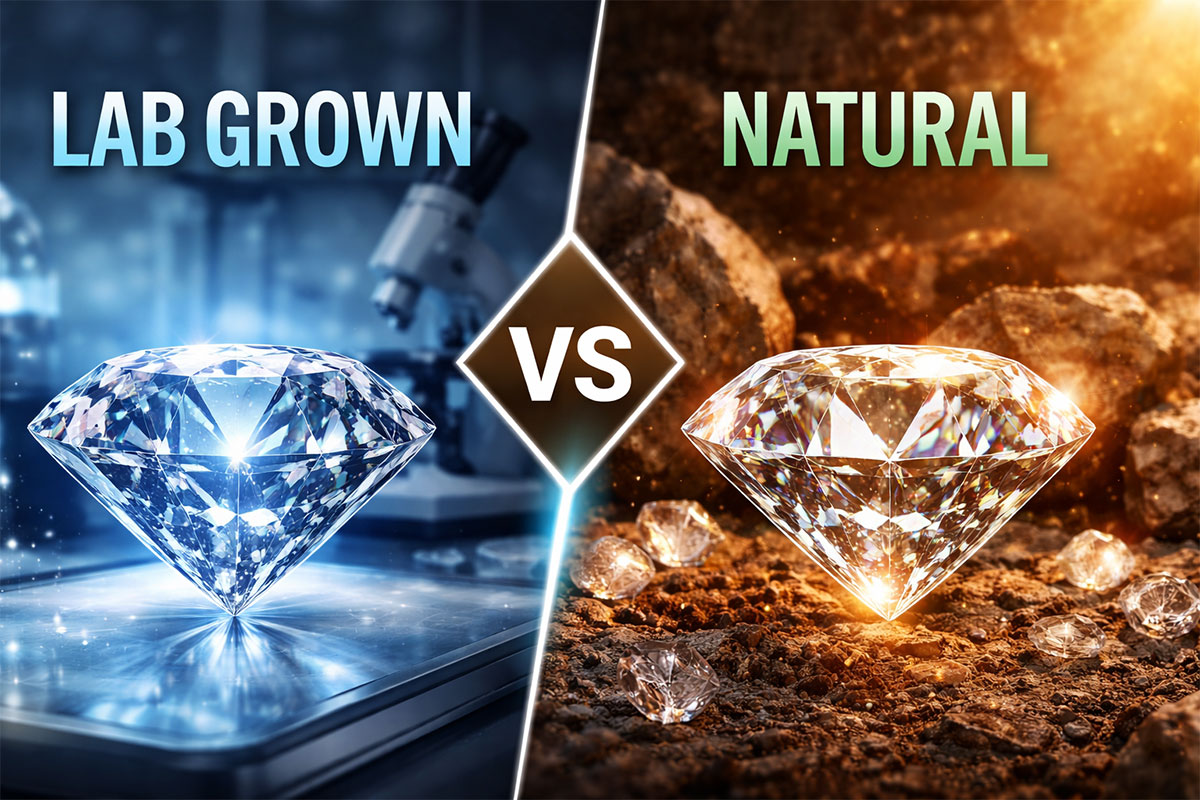
Lab grown diamonds also use the same GIA clarity scale. They actually have fewer inclusions because they are produced in laboratory conditions.
Our certified lab grown diamonds at Ilois Export are commonly VS or better and are a top favorite when it comes to high-quality, ethical jewelry.
Exporting Diamonds by Clarity Grad
Export customers typically select clarity according to:
Destination market (e.g., FL to VS for US or EU high-end; SI for low-end markets)
Jewelry type (e.g., solitaire rings require higher clarity than pavé)
Price segment (cleaner diamonds command higher prices overseas)
We assist our export customers in finding clarity grades according to market demands and target customer choice.
Discover how we assist foreign buyers →
Buyers and Exporters Tips
- Avoid Paying Too Much
Don’t spend money on FL if a VS1 appears identical. Put that towards carat or cut. - Examine With a Loupe (10x).
Always inspect for clarity under magnification prior to grading. - Work With Certified Stones
GIA, IGI, and HRD offer clarity reports. Always request one. - Understand Your Market
Luxury markets require higher clarity. Budget markets like size and price. - Look for Eye-Clean Quality
If you can’t observe the inclusion, does it matter?
Most Popular Clarity Grades in the Jewelry Trade
- VS1 / VS2: Most prevalent in engagement rings and exports
- SI1: Ideal compromise of price and look
- VVS1: Applied in investment jewelry and high-end exports
- FL / IF: Hard to find and pricey — ideal for collectors or top clients
Certification is Important
All diamonds, natural or cultured, must have a certificate. The certificate contains:
- Clarity grade
- Carat weight
- Cut grade
- Color grade
- Measurements and proportions
We supply GIA, IGI, and HRD certified diamonds with clarity reports for resale, export, and investment purposes.
Closing Thoughts
The diamond clarity chart may appear daunting at first glance, but once you get familiar with the fundamentals, it is an effortless aid in making informed purchases.
Whether you’re purchasing a solitary stone for an engagement ring or ordering in quantity for export, clarity is a determining characteristic influencing appearance, value, and price.
Make your choice carefully, prioritize eye-clean stones, and weigh clarity against cut, carat, and color to maximize your investment.
Leave a Comment
Your email address will not be published. Required fields are marked *